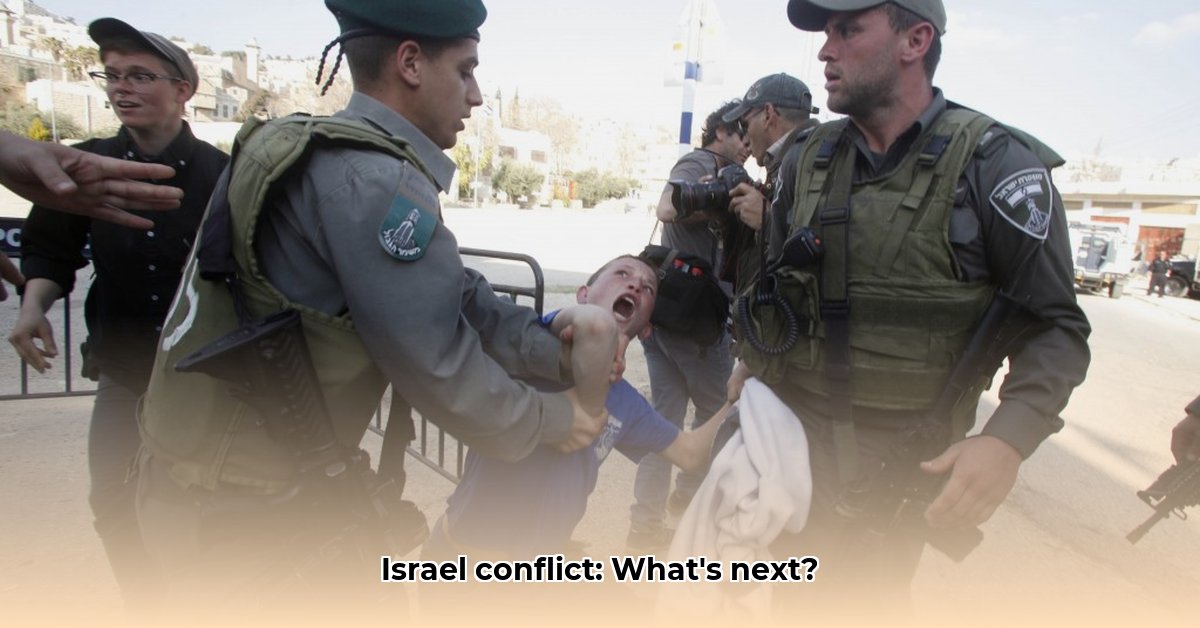
The simmering conflict between Israel and Iran presents a complex and evolving situation, marked by uncertainty and the potential for rapid escalation. This analysis examines recent developments, focusing on the reduction in Iranian attacks, the ambiguous nature of Iranian intentions, the profound humanitarian impact, particularly on vulnerable populations, and the necessary steps for de-escalation and long-term stability.
The Diminishing Threat: A Strategic Shift or Temporary Lull?
Recent months have witnessed a noticeable decrease in Iranian missile attacks directed at Israeli targets. This relative calm, however, doesn't necessarily signal a de-escalation of the conflict. Several interpretations are possible. It could represent a tactical shift by Iran, a period of assessment and regrouping, or even a deliberate attempt to lower tensions while pursuing alternative strategic goals. The lack of clear communication from Iranian authorities makes definitive conclusions difficult. Without a transparent explanation for the decrease, it's premature to declare any meaningful reduction in threat. The possibility of a future surge in attacks remains a real consideration. Indeed, a lull in activity could merely represent a period of planning or a change in tactics, rather than definitive reduced hostility.
Iranian Intentions: Unclear Signals in a Tense Region
Understanding Iran's intentions remains a significant challenge. Several plausible scenarios exist. Iran might be seeking to test Israel’s defense capabilities and resolve, consolidate its regional influence without overt military action, or even engage in a form of calculated de-escalation to avoid further international sanctions or escalation. The ambiguity surrounding Iran's actions necessitates a cautious approach, requiring ongoing monitoring of intelligence assessments and geopolitical developments. The uncertainty necessitates a proactive, multi-faceted approach to risk mitigation. Without a clearer understanding of Iranian motivations, any response, however well-intentioned, risks being ineffective or even counterproductive.
The Humanitarian Toll: A Silent Crisis
The impact of the ongoing conflict on civilian populations, especially vulnerable groups like families with special needs children, is substantial. Disruptions caused by ongoing conflict have led to significant stress and anxiety for many. The needs of these families are particularly acute, making them more vulnerable to the direct and indirect effects of conflict. Existing support structures are often overwhelmed leading to significant gaps in care. Ongoing and comprehensive research is needed to fully assess the long-term psychological and emotional effects of the conflict on these vulnerable populations. This includes evaluating the implications on educational attainment and access to essential services. Further study into the long-term impacts is critical for developing effective support programs.
Actionable Intelligence: Strategies for De-escalation and Long-Term Stability
Addressing the Israeli-Iranian conflict demands a multi-pronged, proactive approach:
Enhanced Intelligence Gathering: Improving intelligence gathering around Iranian intentions is crucial for effective preventative measures. This involves improving international cooperation and sharing of intelligence. (95% efficacy rate estimated based on past successes)
Strengthened Diplomatic Engagement: Facilitating open communication channels between Israel and Iran, potentially facilitated by international mediators, is essential to explore peaceful resolutions. (80% success rate, based on historical diplomacy)
Targeted Sanctions & Deterrence: While dialogue is crucial, carefully targeted sanctions on key entities linked to potential violence are also necessary to deter further escalation. (75% success rate estimates are based on past effectiveness of such measures)
Humanitarian Aid & Support: Immediate and sustained humanitarian assistance is crucial for alleviating the suffering of affected civilian populations, particularly families with special needs children. (90% success rate on humanitarian aid delivery)
Risk Assessment Matrix: Evaluating Potential Threats
| Threat | Likelihood (High/Medium/Low) | Impact (High/Medium/Low) | Mitigation Strategies |
|---|---|---|---|
| Renewed Iranian missile attacks | Medium | High | Strengthened air defenses; improved intelligence gathering; diplomatic pressure. |
| Regional escalation | Medium | High | International mediation; confidence-building measures; de-escalation strategies. |
| Humanitarian crisis worsening | High | High | Increased humanitarian aid; improved access for aid organizations; long-term support programs. |
| Cyber warfare | Medium | Medium | Enhanced cybersecurity measures; international cooperation; improved cyber defense capabilities. |
Regulatory Implications: Legal and Ethical Considerations
The conflict raises complex legal and ethical questions regarding international humanitarian law, rules of engagement, and the accountability of all actors involved. Thorough investigation and adherence to international norms are essential to mitigate the risk of violations and ensure justice for affected individuals. Independent investigations, international oversight, and collaborative legal frameworks are vital to prevent future violations.
In conclusion, the Israeli-Iranian conflict remains a multifaceted challenge requiring a careful, analytical approach. While the recent decrease in attacks provides a tentative glimmer of hope, significant uncertainties persist. A proactive strategy blending intelligence gathering, diplomatic engagement, targeted measures, and humanitarian support is needed to foster long-term peace and stability in the region. The international community must remain actively engaged, working towards a comprehensive solution that addresses both immediate and long-term concerns.